The Kalenfy blog
Security, in plain English
Guides on SPF · DMARC · DNSSEC & more — then scan your site free
 DNS & domain security
27 June 2026
What Is Reverse DNS (PTR Record)?
Reverse DNS (a PTR record) maps a sending IP back to a hostname. Mail servers check it, and a missing or generic PTR sends your email to spam. Here's what it is and how to fix it.
 Email authentication
27 June 2026
What Is ARC? (Authenticated Received Chain)
Forwarding and mailing lists break SPF and DKIM, so legitimate mail can fail DMARC. ARC (Authenticated Received Chain) fixes that by preserving the original authentication. Here's how.
 Fixes & troubleshooting
27 June 2026
What Is a Spam Trap? (And How to Avoid One)
Spam traps are hidden email addresses that catch senders with poor list hygiene — and hitting one can get you blacklisted. Here's what spam traps are and how to stay clear of them.
 DNS & domain security
27 June 2026
What Is a Nameserver? (And Where to Edit DNS)
Confused about nameservers and where to actually change your DNS records? Here's what a nameserver is, how registrar, DNS host and web host differ, and how to find yours. Free check.
 Fixes & troubleshooting
27 June 2026
What Is Greylisting? (Why First Emails Are Delayed)
Greylisting temporarily defers email from unknown senders, so the first message can arrive minutes late. Here's what greylisting is, why it works against spam, and what to do about it.
 Email authentication
27 June 2026
What Is DMARC Alignment? (Relaxed vs Strict)
DMARC can fail even when SPF and DKIM pass — because of alignment. Here's what DMARC alignment means, the difference between relaxed and strict, and how to fix alignment failures.
 Guides & checklists
27 June 2026
How to Spot a Phishing Email (Red Flags Checklist)
Phishing emails trick you into clicking, paying or handing over passwords. Here's a plain-English checklist of the red flags to look for — and exactly what to do when you see one.
 Guides & checklists
27 June 2026
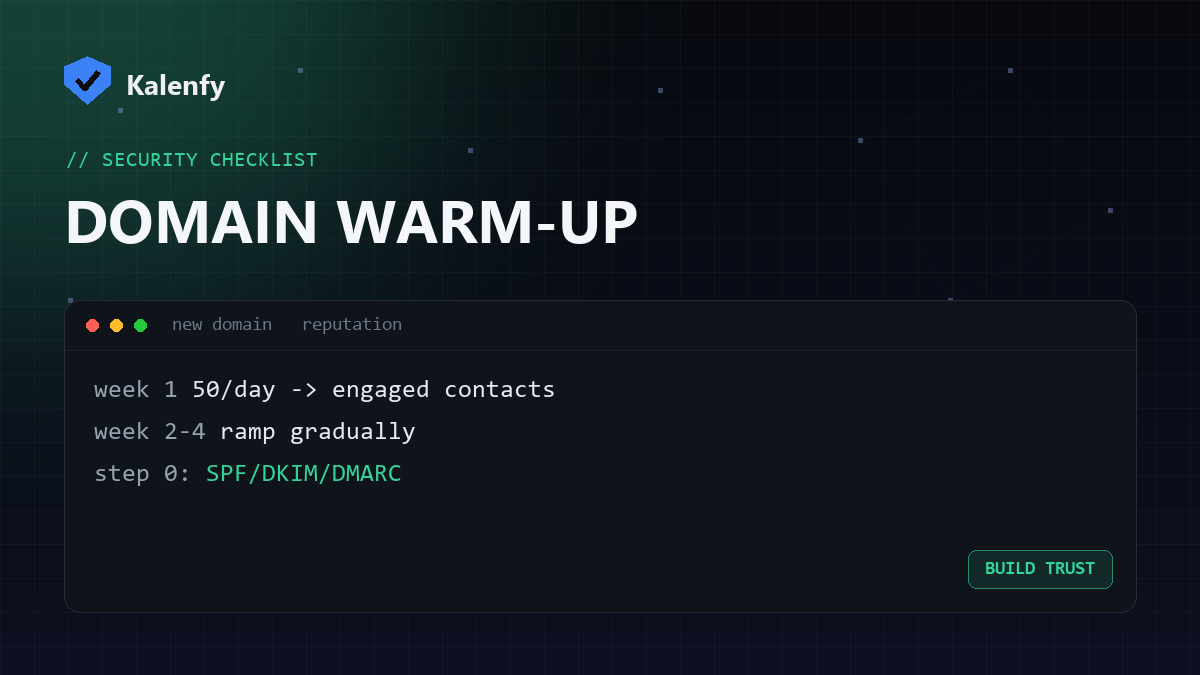
How to Warm Up a New Email Domain
A brand-new sending domain has no reputation, so mailbox providers distrust it. Here's how to warm up a new email domain — ramp volume, build engagement — so your mail reaches the inbox.
 Fixes & troubleshooting
27 June 2026
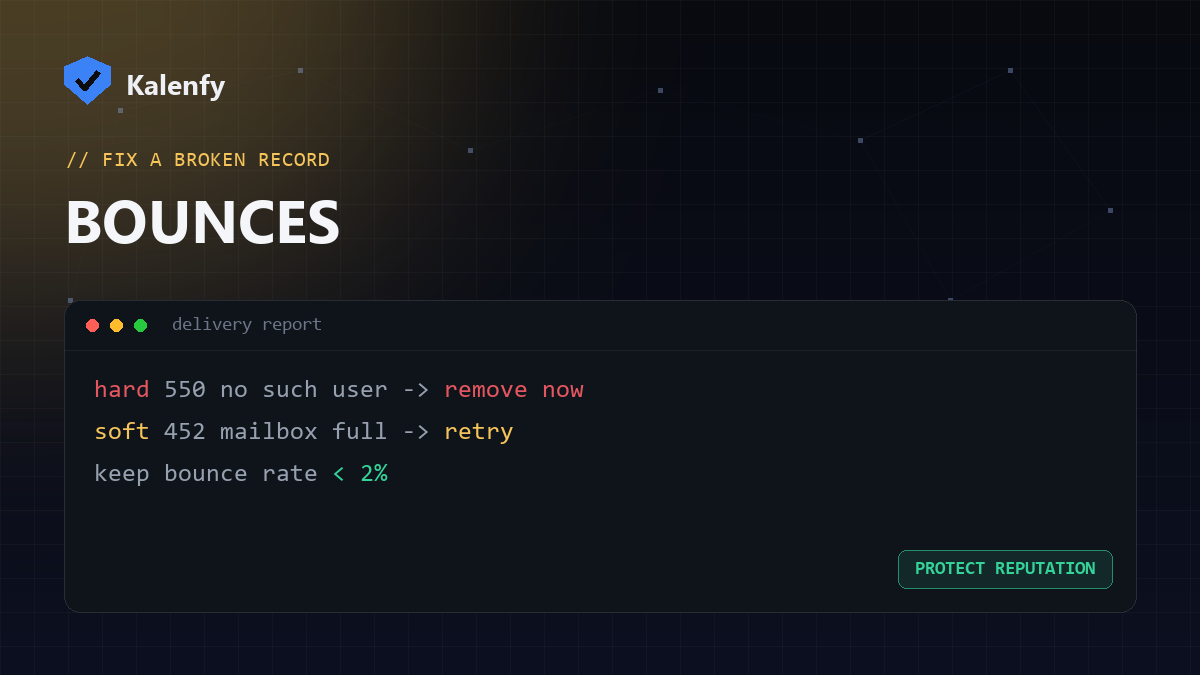
Soft Bounce vs Hard Bounce (Email Bounces Explained)
A hard bounce is a permanent delivery failure; a soft bounce is temporary. Here's the difference, what causes each, and how to handle bounces so they don't wreck your sender reputation.
 DNS & domain security
27 June 2026
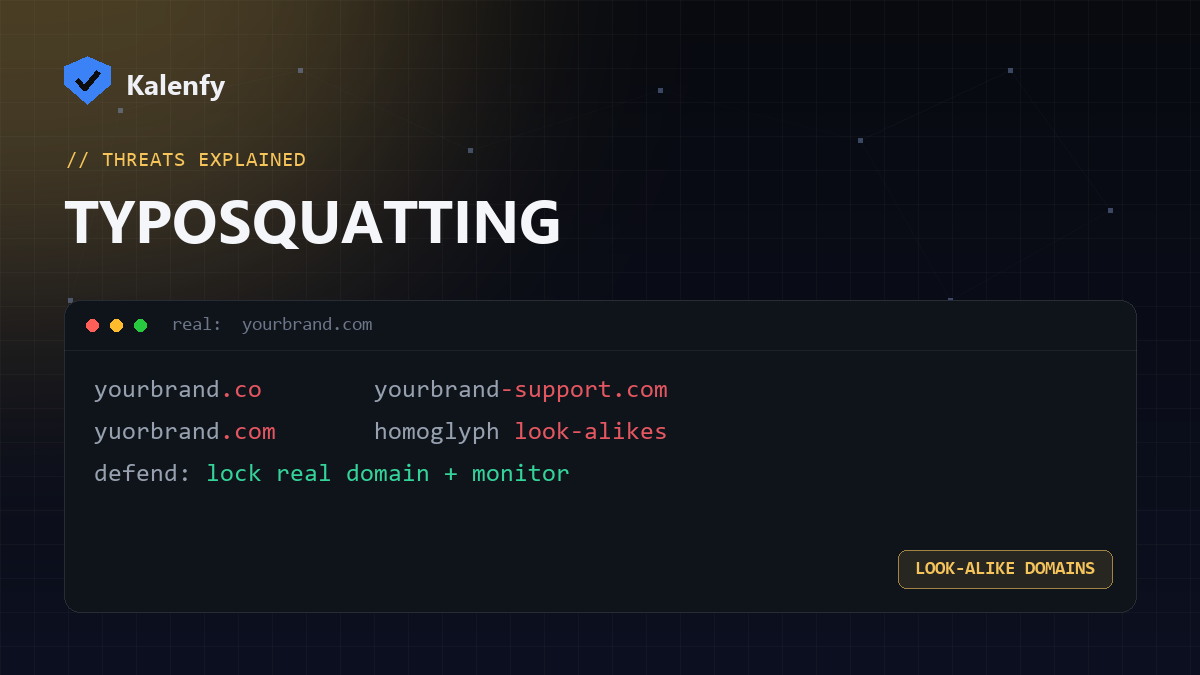
What Is Typosquatting? (Look-Alike Domains)
Typosquatting is when attackers register look-alike versions of your domain to fool your customers and staff. Here's how it works, why it's used in phishing and BEC, and how to defend.